
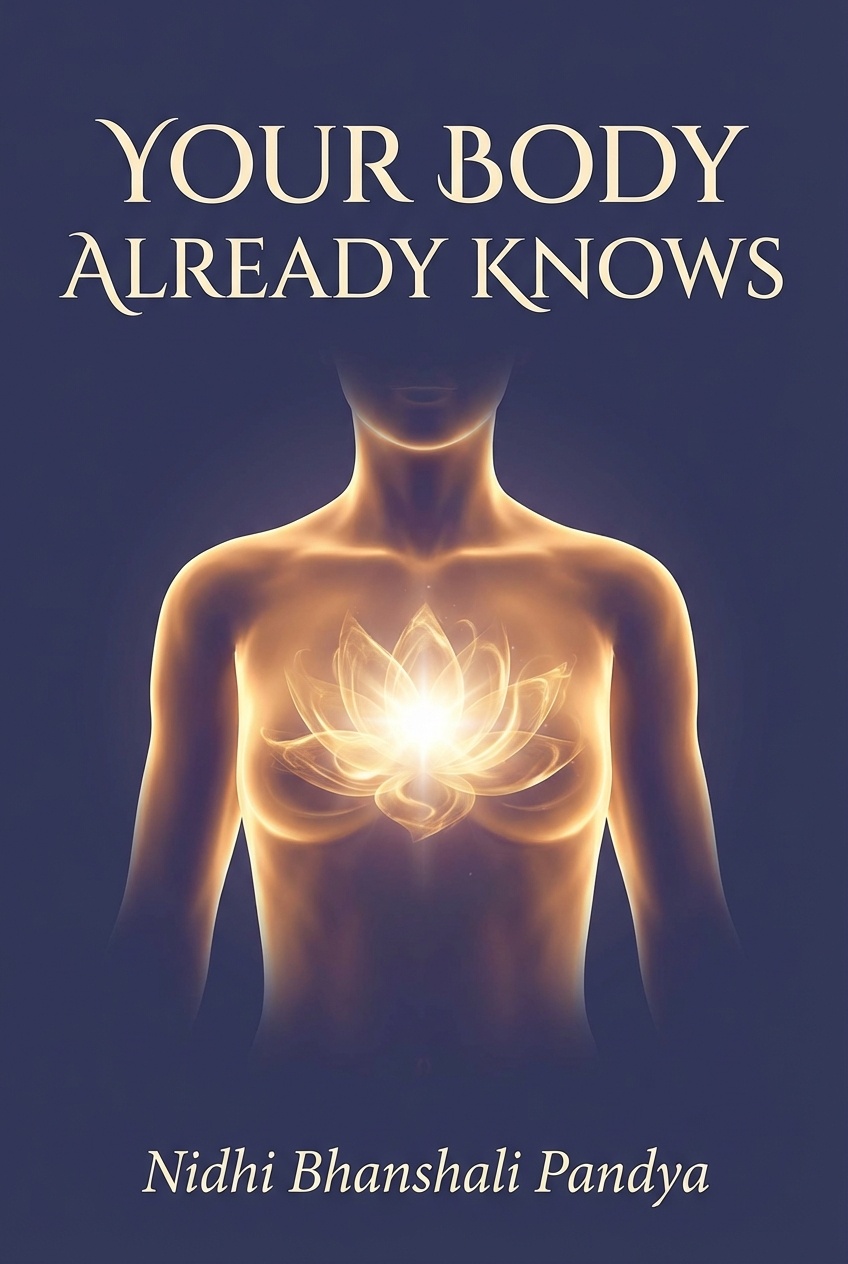
Why You should Read This Book?
This book empowers you to reconnect with your body's inherent wisdom, guiding you to trust your intuition and understand the subtle signals it sends about your well-being. It offers practical tools and profound insights to help you navigate life's challenges, make aligned decisions, and foster a deeper, more compassionate relationship with yourself. Read it to unlock your inner guide and cultivate a life rooted in genuine self-awareness and holistic harmony.
Listen to PodcastDialogue turns nonfiction books into engaging podcast mini-series between two hosts, making key ideas easy to absorb on the go. It uses science-backed learning techniques to strengthen memory formation and complements the book's insights with supporting scientific evidence.
The book "Your Body Already Knows" introduces three foundational principles derived from Ayurvedic wisdom, designed to guide individuals back to a state of natural health and balance. These principles are Prajna Apradha (the loss of wisdom), the Inner Climate®, and Circadian Rhythms. Together, they form a comprehensive framework for understanding health not as the absence of disease, but as a dynamic state of equilibrium with oneself and the natural world. The author posits that modern lifestyles have disconnected us from our innate bodily wisdom, leading to a host of physical and mental ailments. By understanding and applying these three core principles, the book suggests that we can reconnect with our bodies' intelligence, restore balance, and cultivate sustainable well-being. The principles are presented as interconnected, with the loss of wisdom (Prajna Apradha) being the root cause of ignoring our internal environment (Inner Climate®) and falling out of sync with natural cycles (Circadian Rhythms). The book aims to distill these ancient concepts into practical, actionable steps for contemporary life.
Prajna Apradha, a central concept in Ayurveda, is identified in the book as the fundamental reason for illness. It translates to the "mistake of the intellect" or the "failure of wisdom." This principle suggests that disease begins when we lose touch with our innate intelligence and start making choices that go against our body's needs and nature's rhythms. In a world filled with conflicting health advice and a tendency to over-intellectualize wellness, this concept encourages a return to intuitive self-knowledge. The book explains that our bodies are constantly sending us signals about what they need for balance, but we often ignore or misinterpret these signals due to external pressures, stress, and a disconnect from our inner selves. The author argues that reconnecting with this inner wisdom is the first and most crucial step toward healing. It's about learning to listen to and trust the body's subtle cues, rather than relying solely on external experts or rigid protocols. This principle forms the philosophical bedrock of the book, emphasizing self-awareness and empowerment in one's health journey.
The Inner Climate® is a term coined by the author to describe the body's internal environment, a concept that blends ancient Ayurvedic principles with modern scientific understanding. This framework encourages us to think of our bodies as ecosystems with their own internal weather patterns that can be dry, hot, cold, or humid. The book posits that for life to thrive, both on Earth and within our bodies, the climate must be optimal. The ideal Inner Climate® for the human body is described as "warm and moist." When this internal environment is disturbed, it can impact everything from our gut microbiome to our mental and emotional states. A book story illustrates this with a client who suffered from severe digestive issues and anxiety. By focusing on creating a 'warm and moist' inner climate through warming foods, gentle exercise, and stress-reducing practices, she was able to restore balance to her gut and calm her nervous system. This concept moves beyond simply treating symptoms to addressing the root cause of imbalance by cultivating an internal environment where health can naturally flourish.
The book places significant emphasis on the importance of aligning our daily lives with the natural cycles of the sun and moon, known as circadian rhythms. This Ayurvedic principle suggests that our bodies have an internal clock that governs various physiological processes, including sleep-wake cycles, hormone release, and digestion. When we live in sync with these natural rhythms, our bodies function optimally. However, modern lifestyles, characterized by artificial lighting, irregular sleep schedules, and late-night meals, often disrupt these cycles, leading to a range of health issues. The author explains that simple, consistent routines that honor the body's natural clock can have a profound impact on our overall health. This includes waking and sleeping at consistent times, eating our main meal when the sun is at its peak and our digestive fire is strongest, and winding down in the evening as the sun sets. The book provides practical guidance on how to gradually shift daily habits to better align with these natural cycles, promoting improved sleep, digestion, and energy levels.
Ayurveda divides the human lifespan into three distinct phases, each governed by a dominant dosha: Kapha, Pitta, and Vata. The book explains these stages as periods of growth, transformation, and decline, respectively. The Kapha phase, from birth to puberty, is characterized by growth and building of the body. The Pitta phase, from puberty to around age 50, is a time of transformation, ambition, and productivity. The Vata phase, from age 50 onwards, is a period of decline, where the body becomes drier and more prone to degeneration, but also a time for increased wisdom and spiritual growth. Understanding which phase of life we are in allows us to tailor our lifestyle, diet, and self-care practices to support the natural tendencies and challenges of that stage. For example, during the Vata phase, it becomes more important to focus on grounding and nourishing practices to counteract the qualities of dryness and instability. The book emphasizes that aging is a natural process and that by living in harmony with these life stages, we can age gracefully and maintain vitality.
This theme focuses on the practical application of Ayurvedic principles to key areas of physical health: diet, exercise, and sleep. The book emphasizes that there is no one-size-fits-all approach to wellness and that our choices in these areas should be tailored to our unique mind-body constitution, or dosha. By understanding our individual nature, we can make more informed decisions about what to eat, how to move, and when to rest to promote balance and vitality. The author provides guidance on how to identify one's dominant dosha and offers specific recommendations for each type. The overarching goal is to cultivate a lifestyle that supports our natural constitution and helps to prevent imbalances from taking root. This section of the book moves from the theoretical principles of Ayurveda into concrete, everyday practices that can be integrated into modern life for improved physical well-being.
The book underscores the Ayurvedic principle that 'food is medicine' and that our diet should be tailored to our individual dosha (Vata, Pitta, or Kapha) to maintain a healthy gut and overall balance. It explains that each dosha has unique digestive tendencies and that eating foods with qualities that pacify our dominant dosha can prevent and alleviate many health issues. For example, individuals with a Vata constitution, which is characterized by cold and dry qualities, benefit from warm, moist, and grounding foods. Pitta types, with their fiery nature, should favor cooling and calming foods, while Kapha individuals, who tend to be heavy and slow, do well with light, warm, and stimulating foods. The book provides practical guidance on how to identify your dosha and offers food lists and meal planning suggestions for each type. A book story highlights a client with chronic indigestion and bloating who discovered she had a Pitta-Vata constitution. By shifting her diet to include more cooling foods and avoiding excessively spicy and dry foods, she was able to significantly improve her digestion and reduce her discomfort.
Just as with diet, the book advises that our exercise routines should be aligned with our dosha to be most beneficial. It explains that different types of physical activity have different effects on the body and that choosing exercises that balance our dominant dosha can enhance our vitality and prevent injury. For Vata types, who are prone to anxiety and fatigue, grounding and calming exercises like yoga, tai chi, and walking are recommended. Pitta individuals, with their competitive and intense nature, benefit from activities that are cooling and moderately challenging, such as swimming, hiking, and team sports. Kapha types, who have a tendency towards sluggishness, need invigorating and stimulating exercises like running, dancing, and cycling to stay motivated and maintain a healthy weight. The book encourages a mindful approach to exercise, emphasizing the importance of listening to our bodies and avoiding overexertion. The goal is to find joy in movement and to choose activities that leave us feeling energized and balanced, rather than depleted.
The book highlights the critical role of sleep in maintaining health and well-being and offers Ayurvedic strategies for optimizing sleep patterns. It explains that, like other aspects of our lives, our sleep needs and patterns are influenced by our dosha. Vata types, for instance, tend to have light and irregular sleep and benefit from a consistent and calming bedtime routine. Pitta individuals may have a tendency to be night owls and need to make a conscious effort to wind down in the evening to get adequate rest. Kapha types generally sleep soundly but may be prone to oversleeping, which can lead to sluggishness. The book provides practical tips for improving sleep quality, such as establishing a regular sleep schedule, creating a restful sleep environment, and practicing relaxation techniques before bed. It also emphasizes the importance of aligning our sleep-wake cycles with the natural rhythms of day and night, recommending an earlier bedtime and wake-up time to promote optimal rest and daytime energy.
Create a free account to read the remaining themes and key concepts from this book.
Create an accountThis theme extends the application of Ayurvedic principles beyond physical health to encompass mental well-being, relationships, and daily routines. The book emphasizes the holistic nature of Ayurveda, which recognizes the deep connection between the mind, body, and spirit. It offers guidance on how to cultivate a balanced mindset, foster healthy relationships, and incorporate simple yet powerful daily rituals to support overall harmony. The author explains that our mental and emotional states are influenced by the same doshic principles that govern our physical bodies and that by understanding our unique mental constitution, we can better manage stress, cultivate positive emotions, and build more fulfilling connections with others. This section provides a roadmap for integrating Ayurveda into the fabric of our daily lives, transforming routine activities into opportunities for self-care and healing.
The book delves into the Ayurvedic perspective on mindset and relationships, explaining how the doshas influence our mental and emotional tendencies and how we interact with others. It suggests that by understanding our own and our loved ones' doshic constitutions, we can cultivate greater compassion, empathy, and harmony in our relationships. For example, a Vata person's creativity and enthusiasm can be balanced by a Kapha's stability and nurturing nature. A Pitta's drive and passion can be tempered by a Vata's flexibility or a Kapha's calmness. The book offers insights into how to navigate potential conflicts and misunderstandings that may arise from differing doshic qualities. It also provides guidance on cultivating a 'sattvic' or balanced mindset, which is characterized by peace, clarity, and compassion, through practices like meditation and mindfulness. The goal is to foster relationships that are supportive and uplifting and to cultivate an internal state of well-being that is resilient to life's challenges.
The book advocates for the incorporation of simple daily Ayurvedic rituals, known as 'dinacharya,' to promote health and well-being. These practices are designed to cleanse the body, calm the mind, and support our natural rhythms. Some of the key rituals discussed include nasya (nasal oiling), oil swishing (or oil pulling), and abhyanga (self-massage with warm oil). Nasya involves applying a few drops of herbal oil into the nasal passages to lubricate and protect the sinuses and promote mental clarity. Oil swishing is the practice of swishing oil in the mouth to improve oral health, remove toxins, and strengthen the gums and jaw. Abhyanga is a form of self-massage that involves applying warm oil to the entire body to nourish the skin, calm the nervous system, and improve circulation. The book provides step-by-step instructions for these practices and explains their numerous benefits. It encourages readers to start with one or two rituals that resonate with them and to gradually incorporate them into their daily routine as a form of self-care and preventative medicine.
This section of the book transitions from theory to a structured, practical program designed to help readers implement the Ayurvedic principles they have learned. It provides a clear and user-friendly 21-day plan to reset gut health, sleep, mood, and overall well-being. The program is designed to be accessible to both beginners and those with some experience in Ayurveda. Before diving into the daily practices, the book offers guidance on how to prepare for the 21-day journey, both mentally and physically. It also provides a 'toolkit' of self-evaluation tools and dosha guides to help readers personalize the program to their specific needs. This preparatory phase is crucial for setting the foundation for a successful and transformative experience. The aim is to empower readers to take an active role in their healing journey and to provide them with the resources they need to succeed.
The book emphasizes the importance of proper preparation before embarking on the 21-day healing program. This involves not only gathering any necessary supplies but also cultivating the right mindset for the journey ahead. The author encourages readers to set clear intentions for what they hope to achieve during the 21 days, whether it's improved digestion, better sleep, or a greater sense of calm. It is also suggested to gradually ease into the program rather than making abrupt changes, which can be jarring to the system. This might involve slowly reducing caffeine and processed foods in the days leading up to the start of the program. The preparatory phase is also a good time to familiarize oneself with the key concepts of the book and to complete the self-evaluation charts to gain a deeper understanding of one's current state of health and imbalances. By taking the time to prepare thoughtfully, readers can create a supportive and conducive environment for healing and transformation.
The book provides readers with a valuable toolkit to support them on their 21-day healing journey. This toolkit includes self-evaluation charts and dosha guides designed to help readers assess their unique constitution and track their progress throughout the program. The dosha guides offer a comprehensive overview of the characteristics of Vata, Pitta, and Kapha, allowing readers to identify their dominant dosha and understand its specific needs and tendencies. The self-evaluation charts provide a structured way to observe and record various aspects of one's health, such as digestion, sleep quality, energy levels, and mood. This practice of self-observation is a cornerstone of Ayurveda and is essential for developing a deeper awareness of one's body and its signals. By utilizing these tools, readers can personalize the 21-day program to their individual needs and gain a clearer understanding of the impact of the daily practices on their well-being.
This theme outlines the specific daily practices that form the core of the 21-day healing program. The program is a comprehensive, 360-degree guide that integrates various aspects of Ayurvedic living into a structured daily schedule. It includes guidance on meditation, meal planning, and cultivating a mindful relationship with food. The daily practices are designed to be simple, accessible, and easily integrated into a modern lifestyle. The goal of the program is to provide a practical and supportive framework for readers to experience the transformative power of Ayurveda firsthand. By consistently engaging in these daily practices for 21 days, readers can begin to reset their bodies' natural rhythms, improve their health, and establish new habits that will support their well-being long after the program is complete.
The 21-day program includes daily meditation techniques to help calm the mind, reduce stress, and cultivate a deeper connection with oneself. The book explains that meditation is a powerful tool for balancing the doshas and promoting mental and emotional well-being. The techniques presented are likely to be simple and accessible, suitable for both beginners and experienced meditators. The author may guide readers through practices such as breath awareness, mindfulness meditation, or the use of mantras. The goal of the daily meditation practice is to create a space for stillness and self-reflection amidst the busyness of daily life. By starting the day with meditation, readers can set a calm and centered tone for the hours ahead. Consistent practice can lead to increased clarity, focus, and emotional resilience.
To make the dietary changes accessible and enjoyable, the 21-day program includes meal plans and recipes that are aligned with Ayurvedic principles. These resources are designed to take the guesswork out of healthy eating and to provide readers with delicious and nourishing meal ideas. The recipes are likely to be based on whole, seasonal foods and to incorporate spices that support digestion and balance the doshas. The meal plans may be tailored to the different doshas or may offer general guidelines that can be adapted to individual needs. The book may also provide tips for meal prepping and cooking to make it easier to stick to the program, even with a busy schedule. By following the meal plans and trying the recipes, readers can learn how to prepare simple, healthy, and flavorful Ayurvedic meals that support their well-being.
Beyond just what to eat, the book emphasizes the importance of how we eat. The 21-day program encourages readers to restore a healthy and mindful relationship with mealtimes. This involves creating a calm and pleasant environment for eating, free from distractions like phones, televisions, and work. The author advises taking the time to sit down and savor each meal, chewing food thoroughly to aid digestion. The practice of eating with awareness can help us to better recognize our body's signals of hunger and fullness, preventing overeating. It also allows us to fully appreciate the flavors and textures of our food, making mealtimes a more enjoyable and nourishing experience. The program aims to shift the perception of mealtimes from a rushed necessity to a sacred act of self-care.
The Inner Climate® Method is the author's signature framework, a transformative approach that blends ancient Vedic wisdom with modern science. This method is designed to empower individuals to become their own agents of change by understanding and managing their unique internal environment. It is presented as a systematic guide to resetting gut health, hormones, sleep, and mood by cultivating an optimal Inner Climate®. The core of the method lies in harnessing one's intuition and innate wisdom to achieve sustainable health and well-being. It moves beyond a prescriptive approach to health, instead offering a set of principles and tools that can be adapted to individual needs and circumstances. The Inner Climate® Method is the culmination of the author's years of practice and is designed to make the profound wisdom of Ayurveda accessible and applicable to modern life.
The Inner Climate® Method is presented as a groundbreaking approach that bridges the gap between ancient Vedic wisdom and modern scientific understanding. The author draws upon the timeless principles of Ayurveda, a system of medicine that has been practiced for thousands of years, and reinterprets them in a way that is relevant and accessible to a contemporary audience. The method acknowledges the validity of modern scientific concepts, such as the importance of the gut microbiome and the role of circadian rhythms in health, and shows how these concepts are in alignment with ancient Ayurvedic teachings. By blending these two perspectives, the Inner Climate® Method offers a holistic and comprehensive framework for health that honors both traditional wisdom and current scientific evidence. This integrated approach is designed to provide a more complete and effective path to well-being than either system could offer on its own.
A key tenet of the Inner Climate® Method is the importance of harnessing one's own intuition and innate wisdom for achieving sustainable health. The book argues that while external guidance can be helpful, true healing comes from within. The method is designed to empower individuals to become the primary experts on their own bodies and to trust their inner guidance when it comes to making health choices. This involves cultivating a deep sense of self-awareness and learning to listen to the subtle signals that the body is constantly sending. The author provides tools and practices to help readers strengthen their intuition and reconnect with their body's innate intelligence. The goal is to move away from a dependency on external authorities and towards a place of self-reliance and empowerment in one's health journey. This approach fosters a sense of ownership and agency, which is essential for creating lasting and sustainable changes.
The Inner Climate® Method is presented as a systematic and practical guide to resetting key areas of health, including the gut, hormones, sleep, and mood. The book provides a step-by-step framework that readers can follow to address imbalances in these areas and restore a state of harmony. The 21-day program is a core component of this systematic approach, offering a structured plan with daily practices, meal plans, and self-assessment tools. The method is designed to be comprehensive, addressing the interconnectedness of these different aspects of health. For example, it recognizes that poor gut health can impact mood and that hormonal imbalances can disrupt sleep. By taking a holistic approach and addressing the root causes of imbalance, the Inner Climate® Method aims to create a lasting and positive impact on overall well-being. The systematic nature of the guide makes it easy for readers to follow and to track their progress, providing a clear path towards improved health.
Hear the key concepts from this book as an engaging audio conversation.
Listen to Podcast