
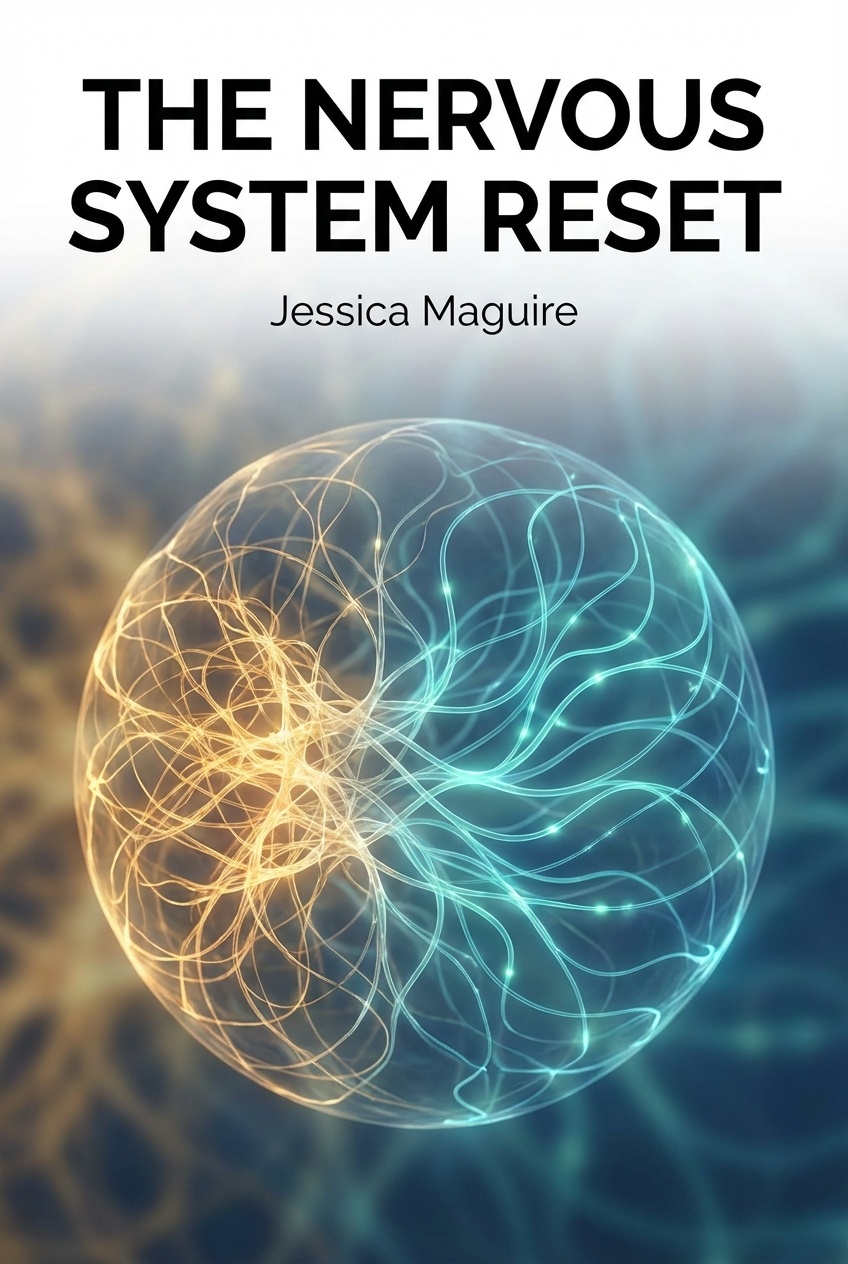
Why You should Read This Book?
This book offers a physiotherapist's practical, science-backed guide to understanding and recalibrating your nervous system. It equips you with actionable strategies to alleviate chronic stress, anxiety, and the physical symptoms of an overactive nervous system. By implementing its techniques, you can cultivate greater calm, resilience, and overall well-being in your daily life.
Listen to PodcastDialogue turns nonfiction books into engaging podcast mini-series between two hosts, making key ideas easy to absorb on the go. It uses science-backed learning techniques to strengthen memory formation and complements the book's insights with supporting scientific evidence.
This theme introduces the foundational concept of the book: our nervous system is at the core of our overall health. It explains that many chronic health issues, both mental and physical, are not isolated problems but symptoms of a single underlying issue: a dysregulated nervous system. The book posits that modern life, with its constant stressors, has pushed many of us into a state where our nervous system is perpetually stuck in survival mode. This dysregulation is the root cause of a wide array of health problems that are often treated in isolation, without addressing the core imbalance. The theme emphasizes that by understanding and addressing this root cause, we can begin a holistic healing process. It introduces the idea that we have the power to influence our nervous system and, in doing so, take control of our health in a profound and lasting way. The central player in this process is the vagus nerve, which acts as the superhighway of communication between the brain and the body, and learning to work with it is key to resetting our system.
The nervous system is presented as the master controller of the body, intricately connected to every aspect of our well-being. It's not just about our thoughts and emotions; it's the communication network that links our brain to all our vital organs, including our heart, lungs, and gut. [12] When this system is balanced and regulated, our body functions optimally. We can handle stress, recover from challenges, and maintain a state of calm and connection. [5] However, when the nervous system is dysregulated, it can lead to a cascade of negative health effects. This dysregulation can manifest as a wide range of issues, from mental health challenges like anxiety and depression to physical ailments such as chronic pain, fatigue, and digestive disorders. [1] The book emphasizes that these are not separate issues but are all interconnected through the state of our nervous system. Therefore, to achieve true and lasting health, we must focus on regulating this fundamental system. By learning to work with our nervous system, we can improve our overall health and well-being in a holistic and sustainable way. [11]
Nervous system dysregulation is described as a state where the body's stress response is chronically activated, and it can't return to a state of balance and calm. [5] This is not a personal failing but a physiological response to overwhelming stress or trauma. [23] When we experience stress, our body is designed to go into a 'fight or flight' mode to help us survive. A healthy nervous system can then return to a relaxed state once the threat has passed. However, in a state of dysregulation, the nervous system gets stuck in this survival mode, even when there is no immediate danger. [5] This chronic state of high alert is identified as the root cause of a multitude of health problems. [8] The book explains that this constant state of stress can lead to anxiety, depression, burnout, chronic pain, autoimmune conditions, and digestive issues like IBS and SIBO. [1] By defining dysregulation as the underlying issue, the book shifts the focus from treating the symptoms to addressing the core imbalance in the nervous system. This provides a more holistic and effective approach to healing.
The vagus nerve is introduced as the primary physical link between the mind and body, playing a crucial role in our overall health. [2, 3] It is the longest nerve in the autonomic nervous system, extending from the brainstem down to the abdomen, connecting with major organs along the way, including the heart, lungs, and digestive tract. [4, 12] The book explains that the vagus nerve is the main component of the parasympathetic nervous system, which is responsible for our 'rest and digest' functions. A well-functioning vagus nerve helps us to relax, recover from stress, and regulate our emotions. [13] The concept of 'vagal tone' is introduced, which refers to the efficiency of the vagus nerve. High vagal tone is associated with better physical and mental health, including lower inflammation, better mood, and greater resilience to stress. Conversely, low vagal tone is linked to a range of health issues, including anxiety, depression, and chronic pain. [5] The book emphasizes that we can actively improve our vagal tone through various exercises and practices, thereby enhancing our ability to regulate our nervous system and improve our overall well-being. [5]
This theme delves into the scientific framework that underpins the book's approach to nervous system regulation: the Polyvagal Theory. It explains that our nervous system is constantly scanning our environment for cues of safety and danger, a process that happens outside of our conscious awareness. This process, called neuroception, determines which of the three main states our nervous system will be in: a state of social engagement and connection (ventral vagal), a state of mobilization for fight or flight (sympathetic), or a state of shutdown and collapse (dorsal vagal). The theme clarifies that these are not just psychological states, but distinct physiological states that have a profound impact on our health and well-being. It highlights the mind-body connection, explaining how the brain and body are in constant communication via the vagus nerve. This two-way communication means that our thoughts and emotions can affect our physical health, and our physical sensations can influence our mental state. Understanding this science provides the foundation for the practical tools and exercises introduced later in the book, as it explains *why* these techniques are effective in shifting our nervous system out of a state of threat and into a state of safety.
Polyvagal Theory, developed by Dr. Stephen Porges, is presented as a revolutionary way of understanding the nervous system and its role in our emotional and social behavior. The theory proposes that our autonomic nervous system has three, not two, main branches, each with a distinct role in how we respond to the world. The most recently evolved branch is the ventral vagal complex, which is associated with feelings of safety, connection, and social engagement. When this system is active, we feel calm, grounded, and able to connect with others. The second branch is the sympathetic nervous system, which is responsible for the 'fight or flight' response. This system is activated when we perceive a threat, mobilizing our energy to either confront or escape the danger. The oldest branch is the dorsal vagal complex, which is responsible for the 'freeze' or shutdown response. This system is activated when we feel trapped and helpless, leading to feelings of numbness, disconnection, and collapse. The book explains that understanding these three states is crucial for learning how to regulate our nervous system and move out of states of threat and into a state of safety and connection. [20]
The book provides a clear and practical explanation of the different survival responses of the nervous system. 'Fight' and 'flight' are the well-known responses of the sympathetic nervous system, where the body is flooded with adrenaline and cortisol to prepare for action. [20] This can manifest as anger, anxiety, or a feeling of being on edge. 'Freeze', or the dorsal vagal state, is a state of shutdown where the body conserves energy by becoming still and numb. [13] This can feel like depression, dissociation, or a sense of hopelessness. The book also introduces the 'fawn' response, which is a pattern of people-pleasing and conflict avoidance that can develop as a way to cope with threatening situations by trying to appease the perceived threat. It is explained that these are not conscious choices but automatic, physiological responses to perceived danger. [5] The problem arises when we get stuck in these states long after the threat has passed, leading to chronic dysregulation. [5] The book emphasizes that there is no shame in these responses; they are simply the nervous system's way of trying to keep us safe. The goal is to learn how to recognize these states and gently guide our nervous system back to a state of safety and regulation.
The mind-body connection is presented not as a vague concept, but as a tangible, physical reality facilitated by the vagus nerve. [2, 3] The book explains that the vagus nerve is a two-way communication highway, with the vast majority of information flowing from the body up to the brain. [12] This means that the sensations and signals from our organs, such as our gut and heart, have a powerful influence on our thoughts, emotions, and perceptions. For example, a tense gut can send signals of unease to the brain, contributing to feelings of anxiety. Conversely, our thoughts and emotions can also send signals down the vagus nerve to affect our bodily functions, such as heart rate and digestion. This constant feedback loop between the brain and body is what creates our subjective experience of the world. The book highlights that because of this strong connection, we cannot heal the mind without also addressing the body. Talk therapy alone may not be enough to resolve trauma and stress that is stored in the body. [5] Therefore, the book advocates for a 'bottom-up' approach to healing, which involves working with the body through somatic practices and breathwork to send signals of safety and calm up to the brain. [14]
Create a free account to read the remaining themes and key concepts from this book.
Create an accountThis theme provides a comprehensive overview of the wide-ranging and often debilitating symptoms that can arise from a chronically dysregulated nervous system. It moves beyond general concepts to detail the specific ways in which this internal imbalance can manifest in our daily lives, affecting our mental, emotional, and physical health. The book draws a clear and direct line from nervous system dysregulation to some of the most common and challenging health conditions of our time, including anxiety, depression, burnout, chronic pain, fatigue, autoimmune disorders, and digestive issues. By connecting these seemingly disparate conditions to a common root cause, the theme offers a new and empowering perspective for those who have struggled to find effective treatments. It validates the experiences of those who have been told their symptoms are 'all in their head' by explaining the very real physiological mechanisms at play. [21] This section serves to build awareness and help readers identify the signs of dysregulation in their own lives, setting the stage for the practical solutions that follow.
The book explains that chronic anxiety, depression, and burnout are not simply psychological issues, but are deeply rooted in the physiology of a dysregulated nervous system. [5] When the nervous system is stuck in a state of 'fight or flight', it can lead to persistent feelings of anxiety, worry, and hypervigilance. The body is constantly on high alert, making it difficult to relax and feel safe. On the other hand, when the nervous system is in a state of 'freeze' or shutdown, it can manifest as depression, with symptoms of hopelessness, fatigue, and emotional numbness. [13] Burnout is described as a state of chronic exhaustion that can result from oscillating between these two states of high alert and shutdown. The body's resources are depleted from being in a constant state of stress, leading to a feeling of being completely overwhelmed and unable to cope. The book emphasizes that these conditions are not a sign of weakness, but a natural consequence of a nervous system that has been pushed beyond its capacity. By addressing the underlying dysregulation, it is possible to find lasting relief from these debilitating conditions. [1]
A dysregulated nervous system can have a profound and detrimental impact on physical health. The book explains that when the body is in a constant state of stress, it can lead to chronic inflammation, which is a key factor in many diseases. This inflammation can contribute to the development of chronic pain conditions, as the nervous system becomes more sensitive to pain signals. [24] Chronic fatigue is also a common symptom, as the body's energy reserves are depleted by the constant demands of the stress response. The book also draws a link between nervous system dysregulation and autoimmune conditions. When the immune system is chronically activated by stress, it can begin to attack the body's own tissues, leading to autoimmune diseases. The book offers a hopeful perspective by suggesting that by regulating the nervous system, it is possible to reduce inflammation, alleviate pain and fatigue, and support the body's natural healing processes. [1] This approach empowers individuals to take an active role in managing their physical health by addressing the root cause of their symptoms.
The book highlights the strong connection between the nervous system and the gut, often referred to as the 'gut-brain axis'. The vagus nerve plays a critical role in this communication, regulating digestion and the movement of food through the gut. [13] When the nervous system is in a state of 'fight or flight', blood flow is diverted away from the digestive system to the muscles, in preparation for action. This can slow down digestion and lead to symptoms like bloating, constipation, and abdominal pain. Over time, this chronic stress on the digestive system can contribute to the development of conditions like Irritable Bowel Syndrome (IBS) and Small Intestinal Bacterial Overgrowth (SIBO). [13] The book explains that IBS is now understood to be a disorder of the gut-brain communication, rather than just an issue with the food we eat. [13] Therefore, to heal digestive disorders, it is essential to address the underlying nervous system dysregulation. By learning to shift the nervous system into a 'rest and digest' state, we can support healthy digestion and find relief from chronic gut issues. [1]
This theme transitions from theory to practice, offering a toolkit of accessible and effective exercises designed to help readers actively regulate their nervous system. It emphasizes that healing is not just a passive process of understanding, but an active process of retraining the nervous system to respond differently to stress. The exercises are grounded in the principles of neuroplasticity, the brain's ability to change and adapt, and are designed to be simple enough to incorporate into daily life. The theme covers a range of modalities, including neural exercises, breathwork, and somatic practices, recognizing that a multi-faceted approach is often the most effective. The goal of these tools is not to eliminate stress, but to widen the 'window of tolerance', which is the range of arousal within which we can function effectively and feel our best. By practicing these exercises regularly, readers can build resilience, improve their ability to cope with challenges, and cultivate a greater sense of calm and well-being in their lives.
Neural exercises are simple, practical techniques designed to help regulate emotions by directly influencing the nervous system. These exercises are based on the principle that we can use our body and our senses to send signals of safety to the brain. One such exercise is 'orienting', which involves slowly looking around the room and noticing your surroundings. This simple act can help to bring you into the present moment and signal to your nervous system that you are safe. Another exercise is 'grounding', which involves feeling your feet on the floor or the weight of your body in a chair. This can help to create a sense of stability and connection to the earth. The book also suggests using touch, such as placing a hand on your heart or giving yourself a gentle hug, to activate the calming pathways of the nervous system. These exercises are not about suppressing emotions, but about creating a sense of safety and regulation in the body, which can then help to calm intense emotions. They are simple, yet powerful tools that can be used anywhere, anytime to help you feel more grounded and in control. [4]
Breathwork is presented as one of the most powerful and accessible tools for regulating the nervous system. The book explains that the way we breathe has a direct impact on our physiological state. Short, shallow breathing can activate the 'fight or flight' response, while slow, deep breathing can stimulate the vagus nerve and activate the 'rest and digest' response. One of the key techniques described is diaphragmatic breathing, or 'belly breathing', which involves breathing deeply into the abdomen rather than the chest. This type of breathing helps to slow the heart rate and promote relaxation. Another technique is to extend the exhalation, making it longer than the inhalation. This has a particularly calming effect on the nervous system. The book provides clear, step-by-step instructions for these and other breathwork practices, making them easy to learn and incorporate into daily life. It emphasizes that even a few minutes of conscious breathing can make a significant difference in how you feel. By practicing these techniques regularly, you can retrain your nervous system to be more resilient and less reactive to stress. [4]
Somatic practices are body-centered exercises designed to help release trauma and stress that is stored in the body. The book explains that when we experience trauma, our bodies can get stuck in a state of 'freeze' or shutdown. Somatic practices can help to gently 'thaw' this frozen state and allow the trapped energy to be released. One of the key concepts is 'pendulation', which involves gently moving between a state of activation (feeling the stress or trauma) and a state of calm. This allows the nervous system to process the difficult sensations in a safe and manageable way. Another practice is 'tracking', which involves paying close attention to the physical sensations in the body without judgment. This can help to increase body awareness and build a greater tolerance for difficult sensations. The book also describes gentle movements and stretches that can help to release tension and restore a sense of flow and ease in the body. These practices are not about re-living the trauma, but about creating a new, safe experience in the body. By working with the body in this way, it is possible to heal from the inside out. [6]
The 'window of tolerance' is a key concept in the book, referring to the optimal zone of arousal where we can function most effectively. [18] When we are within our window of tolerance, we feel calm, connected, and able to handle the ups and downs of life. When we are pushed outside of our window, we can become either hyper-aroused (anxious, angry) or hypo-aroused (numb, depressed). The book explains that for many people who have experienced trauma or chronic stress, this window can become very narrow, making it difficult to cope with even minor stressors. [18] The goal of the exercises and practices in the book is to gradually widen this window of tolerance. This is done by gently and safely exposing the nervous system to small amounts of stress, and then helping it to return to a state of regulation. Over time, this process builds resilience and increases the nervous system's capacity to handle stress without becoming overwhelmed. The book provides a range of techniques to help with this process, including mindfulness, movement, and self-soothing practices. By consistently working to widen your window of tolerance, you can create a greater sense of stability and well-being in your life. [6]
This final theme focuses on how to integrate the principles and practices of nervous system regulation into a sustainable, long-term lifestyle. It moves beyond individual exercises to address the broader context of our lives, including our daily habits, relationships, and sense of self. The theme emphasizes that true healing is not about a quick fix, but about creating a life that supports a regulated nervous system. This involves making conscious choices about how we eat, sleep, move, and interact with others. It also involves cultivating a deeper connection with our bodies and learning to trust our own inner wisdom. The book highlights the importance of building a sense of agency and autonomy over our own health, empowering us to become active participants in our own well-being. Finally, it explores the profound impact that nervous system regulation can have on our relationships, enabling us to connect with others from a place of safety and authenticity. By making these sustainable lifestyle changes, we can create a foundation of resilience that will support us in navigating the challenges of life with greater ease and grace.
The book advocates for a holistic approach to nervous system regulation that extends beyond specific exercises to encompass our entire lifestyle. It emphasizes that small, sustainable changes can have a profound impact on our long-term well-being. This includes paying attention to the fundamentals of health, such as getting enough sleep, eating a nutrient-dense diet, and engaging in regular movement. The book explains how these lifestyle factors can directly influence the state of our nervous system. For example, lack of sleep can increase our sensitivity to stress, while a healthy diet can support the production of neurotransmitters that promote a sense of calm. The book also encourages readers to create a 'nervous system-friendly' environment by reducing exposure to stressors and incorporating more moments of rest and relaxation into their day. This might involve setting boundaries with work, spending more time in nature, or engaging in hobbies that bring joy and a sense of flow. The key is to make conscious choices that support a regulated nervous system, creating a foundation of health and resilience that will last a lifetime. [10]
A central theme of the book is empowering readers to take an active role in their own health and well-being. It encourages a shift from being a passive recipient of healthcare to becoming an active participant in one's own healing journey. This involves developing a deeper connection with one's body and learning to listen to its signals. The book teaches readers how to cultivate 'interoception', which is the ability to sense the internal state of the body. [24] By tuning into these internal cues, we can become more aware of what our body needs and respond accordingly. This might mean resting when we are tired, eating when we are hungry, or setting boundaries when we feel overwhelmed. The book also emphasizes the importance of self-advocacy in healthcare settings. By understanding the science of the nervous system, readers are better equipped to have informed conversations with their healthcare providers and make choices that are aligned with their own needs and values. Ultimately, the goal is to build a sense of agency and autonomy, so that we feel empowered to make choices that support our own health and well-being. [10]
The book explores the profound connection between our nervous system state and the quality of our relationships. It explains that when we are in a regulated state, we are more able to connect with others from a place of safety, empathy, and authenticity. We can listen more deeply, communicate more clearly, and navigate conflict more effectively. On the other hand, when we are in a dysregulated state, we are more likely to be reactive, defensive, and disconnected. The book introduces the concept of 'co-regulation', which is the process of regulating our nervous system through our interactions with others. [25] When we are in the presence of a calm and regulated person, our own nervous system can begin to settle. The book provides practical advice on how to become a better co-regulator for others, as well as how to seek out relationships that support our own regulation. It also offers insights into how our attachment styles, which are shaped by our early life experiences, can influence our patterns of relating. By understanding the interplay between our nervous system and our relationships, we can cultivate healthier, more fulfilling connections with others. [14]
Hear the key concepts from this book as an engaging audio conversation.
Listen to Podcast