
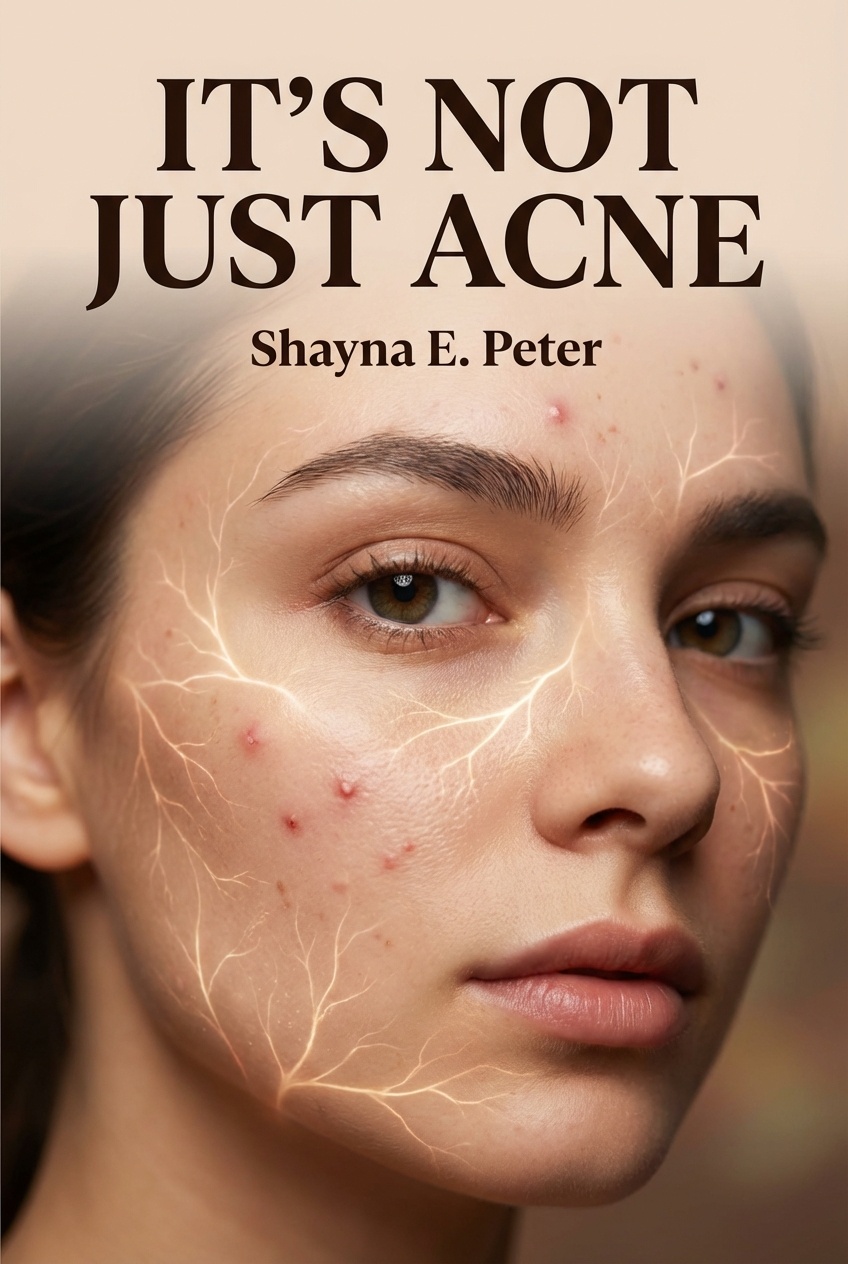
Why You should Read This Book?
This book offers a compassionate and comprehensive guide that delves beyond surface-level treatments, addressing the profound physical and emotional impact of acne. It empowers readers with holistic strategies and insights into underlying causes, helping them regain control over their skin health. Read it to find validation for your experience and actionable steps toward lasting clarity and confidence, transforming your relationship with your skin.
Listen to PodcastDialogue turns nonfiction books into engaging podcast mini-series between two hosts, making key ideas easy to absorb on the go. It uses science-backed learning techniques to strengthen memory formation and complements the book's insights with supporting scientific evidence.
The book "It's Not Just Acne" reframes the common understanding of acne, moving away from the idea that it is merely a surface-level skin issue. Instead, it presents acne as a visible manifestation of deeper internal imbalances within the body. The core premise is that breakouts are signals from an overactive immune system, indicating that something is amiss internally. This perspective shifts the focus from solely treating the skin with topical products to investigating and addressing the root causes that trigger this immune response. The author, Shayna E. Peter, emphasizes that clear and healthy skin is an outcome of overall bodily health, and therefore, a holistic approach is necessary for lasting results. This involves looking at various interconnected systems within the body and understanding how their dysfunction can lead to the inflammatory condition of acne.
The book posits that acne is fundamentally an inflammatory condition stemming from a dysregulated immune system. It explains that the red, swollen, and painful blemishes characteristic of acne are a direct result of the body's immune response to perceived threats. This perspective challenges the conventional view of acne as a simple problem of clogged pores and bacteria. Instead, it suggests that while bacteria can play a role, the primary driver is an internal environment that promotes inflammation. The author argues that to effectively treat acne, one must look beyond the skin and identify what is triggering this systemic inflammation and immune reaction. This could be related to gut health, hormonal fluctuations, or nutritional deficiencies, all of which can disrupt the body's delicate balance and lead to an overactive immune response that manifests as acne.\n\nThis understanding encourages a shift in treatment from solely topical applications to a more comprehensive, inside-out approach. The goal becomes calming the internal inflammation and supporting the immune system to restore balance. By addressing the root causes of the immune imbalance, the book suggests that individuals can achieve long-term relief from acne, rather than just managing the symptoms as they appear on the skin's surface. This approach underscores the idea that the skin is a mirror of our internal health, and true healing comes from addressing the body as a whole.
Shayna E. Peter's book delves into the various underlying factors that can contribute to the development of acne. It moves beyond the simplistic explanation of excess oil and bacteria to explore a range of internal imbalances that are often the true culprits. One of the primary root causes discussed is gut health, with issues like leaky gut syndrome and an imbalanced gut microbiome leading to systemic inflammation that can manifest as acne. Food sensitivities are also highlighted as a significant trigger, where certain foods can provoke an immune response and lead to breakouts. Hormonal imbalances are another key area of focus, with the book explaining how fluctuations in hormones like androgens can increase sebum production and contribute to clogged pores and inflammation.\n\nThe book also emphasizes the role of blood sugar regulation, explaining that spikes in blood sugar can lead to a cascade of hormonal changes that promote acne. Nutritional deficiencies are presented as another critical piece of the puzzle, with a lack of essential vitamins and minerals hindering the skin's ability to heal and maintain its health. By understanding these common root causes, the book empowers readers to become detectives of their own health, looking for clues in their diet, lifestyle, and overall well-being to identify what might be driving their acne. This knowledge forms the foundation for a personalized approach to treatment that addresses the specific imbalances at play.
The book makes a compelling case that acne is not just a cosmetic concern but can also be an indicator of broader health issues. The presence of persistent acne, according to the author, suggests that there are underlying systemic imbalances that could be affecting more than just the skin. For example, the same inflammation that causes acne could also be contributing to other health problems throughout the body. An imbalanced gut microbiome, a common root cause of acne, is also linked to a host of other conditions, from digestive issues to mood disorders. Similarly, hormonal imbalances that trigger acne can also be associated with menstrual irregularities, fertility problems, and other endocrine-related issues.\n\nBy viewing acne through this lens, the book encourages readers to see their skin condition as a valuable clue to their overall health. Addressing the root causes of acne, therefore, is not just about achieving clear skin, but also about improving one's general well-being. The journey to healing acne becomes a journey towards better health, involving positive changes in diet, lifestyle, and self-care that have far-reaching benefits. This perspective can be empowering for those who have felt frustrated and helpless about their skin, as it reframes their struggle as an opportunity to take control of their health in a more profound and holistic way.
A central theme in "It's Not Just Acne" is the profound and intricate relationship between the health of the digestive system and the clarity of the skin, often referred to as the gut-skin axis. The book explains that the gut is a primary regulator of inflammation in the body, and when it is not functioning optimally, the consequences can be seen on the skin. An unhealthy gut environment can lead to a cascade of issues that directly contribute to acne. The author emphasizes that healing the gut is a non-negotiable step for anyone seeking to resolve their acne from the inside out. This involves understanding how the food we eat, the balance of bacteria in our gut, and the integrity of our intestinal lining all play a crucial role in skin health.
The book dedicates significant attention to explaining the mechanisms behind the gut-skin connection. It details how an imbalanced gut microbiome, a condition known as dysbiosis, can lead to a state of chronic, low-grade inflammation throughout the body. This systemic inflammation can then trigger the inflammatory processes in the skin that lead to acne. The author explains that our gut is home to trillions of bacteria, and the balance between beneficial and harmful bacteria is crucial for a healthy immune system. When this balance is disrupted, it can compromise the body's ability to regulate inflammation, making the skin more susceptible to breakouts.\n\nThe book also highlights that the gut is a major pathway for detoxification. If the digestive system is sluggish or compromised, toxins that should be eliminated from the body can be reabsorbed into the bloodstream, placing an additional burden on the skin to eliminate them. This can lead to clogged pores and inflammation. By fostering a healthy gut environment through diet and lifestyle, the book suggests that individuals can reduce systemic inflammation, support detoxification, and ultimately improve the health and appearance of their skin.
The concept of "leaky gut," or increased intestinal permeability, is presented as a key factor in the development of acne. The book explains that the lining of our intestines is designed to be a tight barrier, allowing only digested nutrients to pass into the bloodstream. However, due to factors like a poor diet, stress, and an imbalanced microbiome, this barrier can become compromised, allowing undigested food particles, toxins, and bacteria to "leak" into the bloodstream. This triggers an immune response, as the body recognizes these particles as foreign invaders, leading to systemic inflammation that can manifest as acne.\n\nFood sensitivities are closely linked to the issue of leaky gut. The book clarifies that unlike food allergies, which cause an immediate and severe reaction, food sensitivities can cause a delayed and more subtle inflammatory response. Common culprits like dairy and gluten are discussed as potential triggers for some individuals. When someone with a sensitivity consumes these foods, it can exacerbate intestinal permeability and fuel the inflammatory cycle that contributes to acne. The book encourages readers to identify their personal food sensitivities, often through an elimination diet, as a crucial step in calming inflammation and clearing their skin.
The book emphasizes the critical role of stable blood sugar levels in maintaining clear skin. It explains that when we consume high-glycemic foods, such as sugary snacks and refined carbohydrates, it causes a rapid spike in blood sugar. This, in turn, leads to a surge in the hormone insulin, which is released to help transport sugar from the blood into the cells. The author details how high levels of insulin can trigger a hormonal cascade that ultimately leads to increased sebum production and inflammation, two of the primary drivers of acne.\n\nHigh insulin levels can stimulate the production of androgens, a class of hormones that can make the skin oilier and more prone to clogged pores. This hormonal imbalance creates an environment where acne can thrive. The book advocates for a diet rich in low-glycemic foods, such as whole grains, lean proteins, and non-starchy vegetables, to help maintain stable blood sugar levels. By avoiding the dramatic peaks and crashes in blood sugar, individuals can help to regulate their hormones, reduce sebum production, and control the inflammatory processes that contribute to acne.
Create a free account to read the remaining themes and key concepts from this book.
Create an accountBuilding on the concept of healing from the inside out, "It's Not Just Acne" provides a comprehensive guide to using nutrition as a primary tool for achieving clear skin. The book moves beyond generic dietary advice to offer specific strategies for incorporating skin-supportive nutrients into one's daily meals. The author's philosophy is that the foods we eat can either fuel inflammation and breakouts or provide the building blocks for healthy, resilient skin. This section of the book is dedicated to empowering readers with the knowledge to make informed dietary choices that will support their skin's healing process.
The book highlights several key vitamins and minerals that are crucial for skin health and acne management. Vitamin A is discussed for its role in regulating skin cell turnover, which helps to prevent clogged pores. Zinc is another essential mineral that is emphasized for its anti-inflammatory properties and its ability to help regulate oil production. The importance of omega-3 fatty acids is also a key focus, with the book explaining how these healthy fats can help to reduce inflammation throughout the body, including in the skin.\n\nThe author also touches on the role of antioxidants, such as vitamins C and E, in protecting the skin from damage and supporting its natural healing processes. Vitamin D is mentioned for its role in immune function and its potential to calm inflammation. The book provides practical advice on how to obtain these nutrients through both diet and, when necessary, supplementation. The overarching message is that a nutrient-dense diet is fundamental to providing the skin with the resources it needs to repair itself and maintain a clear, healthy appearance.
This concept translates the science of skin-supportive nutrients into practical dietary advice. The book encourages a focus on whole, unprocessed foods that are naturally rich in the vitamins, minerals, and antioxidants the skin needs to thrive. A colorful diet, full of a variety of fruits and vegetables, is recommended to ensure a broad spectrum of nutrients. The author provides examples of specific foods that are particularly beneficial for acne-prone skin, such as leafy greens, berries, and fatty fish. These foods are not only nutrient-dense but also have anti-inflammatory properties that can help to calm breakouts.\n\nThe book also advises on what to limit or avoid, with a particular emphasis on processed foods, sugary drinks, and for some individuals, dairy and gluten. The goal is to create an anti-inflammatory dietary pattern that supports gut health, balances blood sugar, and provides the skin with the nourishment it needs to heal. The author's approach is not about restrictive dieting but rather about making mindful choices to crowd out inflammatory foods with nutrient-rich alternatives. This empowers readers to take an active role in their healing journey by making positive and sustainable changes to their eating habits.
A cornerstone of the philosophy in "It's Not Just Acne" is the rejection of a one-size-fits-all approach to treatment. The book champions the idea that each individual's acne has a unique set of root causes and triggers. Therefore, a personalized strategy is essential for achieving lasting results. This section of the book is dedicated to guiding readers through the process of self-discovery, helping them to identify the specific factors that are contributing to their personal struggles with acne. The author provides tools and frameworks for readers to become more attuned to their bodies and to understand the messages their skin is sending them.
The book strongly advocates for a personalized approach to acne treatment, recognizing that what works for one person may not work for another. It critiques the conventional approach of prescribing the same treatments to everyone, without taking into account the individual's unique physiology, diet, and lifestyle. The author encourages readers to move away from the cycle of trying every new product or fad diet and instead to embark on a more methodical and individualized journey of healing. This involves taking the time to understand one's own body and to identify the specific triggers that are relevant to their acne.\n\nThis personalized approach is empowering, as it puts the individual in the driver's seat of their own health. The book provides a framework for this self-exploration, encouraging readers to pay close attention to the patterns of their breakouts and to make connections between their skin's condition and their daily habits. By becoming more mindful and observant, readers can begin to piece together their personal acne puzzle and develop a targeted treatment plan that addresses their unique needs. This shift in mindset from a passive recipient of generic advice to an active participant in one's own healing is a key theme of the book.
To facilitate a more personalized approach, the book suggests the use of certain functional medicine tests to gain deeper insights into the body's internal workings. These tests can help to uncover hidden imbalances that may be contributing to acne. For example, the author may discuss the utility of food sensitivity testing to identify specific foods that are triggering an inflammatory response. Hormone testing is another tool that can be used to assess for imbalances in androgens, estrogen, and other hormones that can influence acne.\n\nStool analysis may also be recommended to evaluate the health of the gut microbiome and to check for signs of leaky gut. The book explains that these tests can provide valuable data that can help to guide a more targeted and effective treatment plan. By moving beyond guesswork and using objective measures, individuals can gain a clearer understanding of their body's specific needs and tailor their interventions accordingly. The author presents these tests not as a requirement for everyone, but as a potentially valuable tool for those who are struggling to identify their root causes through diet and lifestyle changes alone.
This concept is the culmination of the personalized approach advocated in the book. It's about synthesizing all the information gathered through self-observation and, if applicable, testing, to create a clear picture of what is driving one's acne. The book provides a framework for this process, helping readers to connect the dots between their symptoms, their lifestyle, and their internal imbalances. For one person, the primary root cause might be a sensitivity to dairy, while for another, it might be chronic stress and its impact on hormonal balance. For a third individual, it could be a combination of an imbalanced gut microbiome and a nutrient-poor diet.\n\nThe author emphasizes that once the root causes are identified, a targeted and effective treatment plan can be created. This plan will be unique to the individual and will focus on addressing their specific needs. This could involve making specific dietary changes, incorporating targeted supplements, implementing stress management techniques, or a combination of these strategies. By pinpointing the root causes, individuals can move beyond a scattered and ineffective approach to a focused and empowered one, leading to more sustainable and long-lasting results in their journey to clear skin.
Recognizing that hormonal imbalances are a significant driver of acne for many individuals, "It's Not Just Acne" provides a detailed exploration of how to support hormonal health naturally. The book explains the complex interplay of hormones that can influence skin health and offers practical strategies for bringing them back into balance. This section also delves into the world of supplementation, providing guidance on how to choose and use supplements effectively as part of a holistic acne treatment plan. The author's approach is not about quick fixes, but about creating a foundation of hormonal harmony that supports clear skin from within.
The book emphasizes that hormonal balance is not solely dependent on medication, but can be significantly influenced by our daily habits. It outlines a variety of lifestyle strategies that can help to support healthy hormone function. Diet plays a crucial role, with the author advocating for a nutrient-dense, whole-foods diet that is rich in fiber and healthy fats, which are essential for hormone production and regulation. The importance of managing stress is also highlighted, as chronic stress can lead to an overproduction of the hormone cortisol, which can disrupt the balance of other hormones and trigger acne.\n\nThe book offers practical stress-reduction techniques, such as mindfulness, meditation, and gentle exercise. Adequate sleep is another key lifestyle factor that is discussed, as sleep is when the body repairs itself and regulates its hormones. The author also touches on the importance of avoiding endocrine-disrupting chemicals found in some plastics and personal care products. By adopting these lifestyle strategies, the book suggests that individuals can create an internal environment that is conducive to hormonal harmony, thereby reducing the likelihood of hormonally-driven breakouts.
While emphasizing a food-first approach, the book acknowledges that targeted supplementation can be a valuable tool for addressing specific nutrient deficiencies and supporting hormonal balance. It provides guidance on how to choose supplements wisely, rather than randomly taking a cocktail of pills. The author explains that the right supplements for an individual will depend on their specific root causes and acne type. For example, someone with inflammatory acne might benefit from anti-inflammatory supplements like omega-3 fatty acids and zinc.\n\nSomeone with hormonal acne might find support from supplements that help to balance hormones, such as vitex (chasteberry) or diindolylmethane (DIM). The book also discusses the importance of gut-healing supplements, such as probiotics and L-glutamine, for those with digestive issues contributing to their acne. The author advises working with a knowledgeable healthcare practitioner to determine the most appropriate supplements and dosages for one's individual needs. The goal of supplementation, as presented in the book, is not to replace a healthy diet and lifestyle, but to provide targeted support to help the body heal and rebalance itself.
To make the journey to clear skin less overwhelming, "It's Not Just Acne" lays out a structured and actionable plan for readers to follow. This section of the book is designed to be a practical guide, translating the concepts and principles discussed earlier into a step-by-step process. The author provides a clear roadmap that helps readers to navigate the complexities of healing acne from the inside out. This roadmap is not a rigid set of rules, but rather a flexible framework that can be adapted to each individual's unique needs and circumstances.
The book introduces a five-step roadmap to guide readers on their journey to clear skin. While the specific details of each step are not fully elaborated in the provided search results, the general framework appears to involve a systematic approach to identifying and addressing the root causes of acne. The first step likely involves a period of assessment and observation, where readers are encouraged to pay close attention to their bodies and to identify potential triggers. The subsequent steps would then logically progress through dietary changes, gut healing protocols, hormonal support, and stress management techniques. The roadmap is designed to be a comprehensive and holistic program that addresses all the key areas that can impact skin health.\n\nThe author emphasizes that this is not a quick fix, but a gradual process of healing and rebalancing the body. The roadmap provides a sense of structure and direction, helping readers to stay focused and motivated on their journey. It is likely that the book provides detailed guidance and practical tips for each step of the roadmap, empowering readers to take control of their health and to make lasting changes that will support clear skin in the long term. The mention of this roadmap on page 84 of the book in one of the search results indicates its significance as a central, actionable component of the author's strategy.
The book also serves as a guide to help readers avoid the common pitfalls and mistakes that can actually worsen acne or hinder the healing process. One of the most common mistakes discussed is over-cleansing and using harsh, stripping skincare products. The author explains that this can damage the skin's natural barrier, leading to increased irritation and inflammation. Another common mistake is picking or popping pimples, which can lead to scarring and spread bacteria. The book also cautions against jumping from one treatment to another without giving it enough time to work, as consistency is key to seeing results.\n\nFurthermore, the author advises against relying solely on topical treatments while ignoring the internal root causes of acne. This is a central theme of the book, which repeatedly emphasizes that true healing comes from within. The book also warns against the overuse of antibiotics, which can disrupt the gut microbiome and potentially worsen acne in the long run. By highlighting these common mistakes, the author helps readers to adopt a more mindful and effective approach to their skincare and overall health, avoiding the frustrating cycle of trial and error that so many acne sufferers experience.
While the primary focus of "It's Not Just Acne" is on healing from the inside out, the book also recognizes the importance of a supportive and effective topical skincare routine. This section provides guidance on how to care for the skin externally in a way that complements the internal healing process. The author's approach to skincare is one of nourishment and support, rather than aggression and stripping. The goal is to create a healthy skin barrier and to manage breakouts gently and effectively, without causing further irritation or inflammation.
The book offers practical advice on how to build a simple yet effective skincare routine for acne-prone skin. It emphasizes the importance of using gentle, non-comedogenic products that will not clog pores or irritate the skin. The author likely recommends a basic routine that includes a gentle cleanser, a lightweight moisturizer, and a broad-spectrum sunscreen. The book may also discuss the role of specific active ingredients that can be helpful in managing acne, such as salicylic acid for exfoliating and unclogging pores, and benzoyl peroxide for its antibacterial properties.\n\nHowever, the author would likely caution against the overuse of these ingredients, as they can be drying and irritating if not used correctly. The book may also suggest incorporating soothing and anti-inflammatory ingredients, such as niacinamide or green tea extract, to help calm redness and irritation. The overall message is to keep the skincare routine simple and consistent, focusing on products that support the skin's health rather than stripping it of its natural oils. This approach is in line with the book's holistic philosophy of working with the body, not against it.
A key aspect of the book's approach to topical care is the idea of nourishing the skin, even while treating active breakouts. This means choosing products that not only target acne but also provide hydration and support the skin's barrier function. The author likely advises against the use of harsh, alcohol-based toners and abrasive scrubs, which can damage the skin's protective barrier and make it more susceptible to irritation and breakouts. Instead, the book may recommend hydrating serums with ingredients like hyaluronic acid to help maintain the skin's moisture balance.\n\nThe concept of a "skincare arsenal" mentioned in the book's description suggests a collection of targeted treatments that can be used to address breakouts as they arise, without disrupting the overall health of the skin. This might include spot treatments with ingredients like salicylic acid or sulfur, which can be applied directly to blemishes to help them heal more quickly. The goal is to be prepared to manage breakouts in a way that is both effective and gentle, allowing the skin to heal without causing further damage or inflammation. This nourishing approach to skincare is a crucial component of the book's holistic strategy for achieving long-term skin health.
Hear the key concepts from this book as an engaging audio conversation.
Listen to Podcast